
Timothy J. King: Interaction of tongue-tie with the fascia system.

I have noticed that when I do something more than soft mewing with my tongue (for example, I try to expand the tongue in all directions as much as possible, or raise the tongue as much as possible from behind closer to the soft palate), the intestines immediately begin to show strange activity, (belching, strong sounds of perestalsis, as often diarrhea the next day) . I have an idea that this may be due to the vagus nerve, or some other reaction to the tension of the root of the tongue.
I can still breathe when I lift the root, but it's on the verge of overlapping, just wondering if anyone has the same problem?
I've been doing this since 2019, the technique is constantly changing, but this problem has started to appear regularly in certain moments since the beginning of the path

I have the same problem... unrest in the intestines but not so much in terms of diarrhea. Something is probably off with the way I maintain tongue posture but I just can't figure it out

Possibly a tongue tie issue
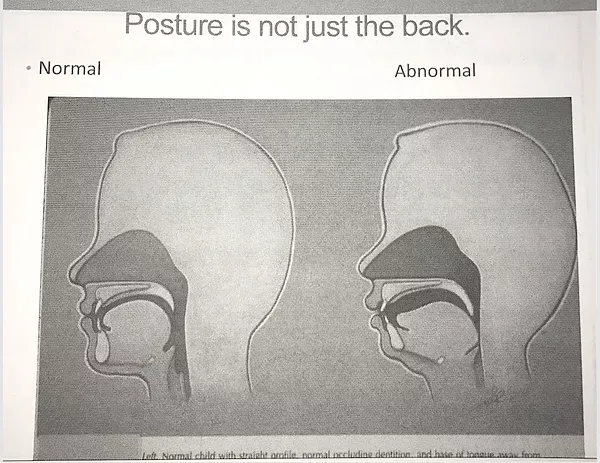
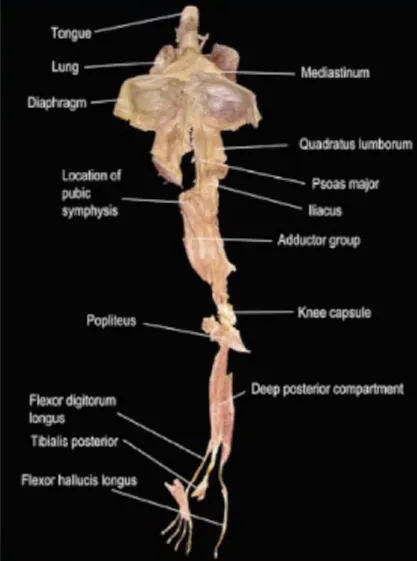
Raising the base of the tongue can cause undue tension through the descending fascial/sensory system
Look at the fascial connection between the tongue and the rest of the body:
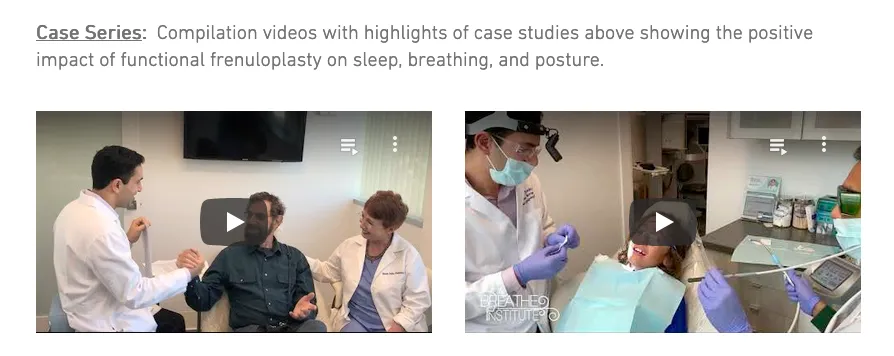
Dr Souresh Zaghi ENT surgeon in the US is pioneering "functional" frenuloplasties as well as their assesment and grading
I have had my tongue released twice - no frenulum remaining but I still felt I needed further release
When I raise my tongue the floor of the mandible is pulled up suggesting excessive tension
Zaghi talks about the need for partial glossectomies where indicated ie. excising muscle tissue and this is the next step for me and feels intuitively correct
Hope this information is useful:
https://www.zaghimd.com/frenuloplasty-how-we-do-it

Testimonial of a Somatic therapist (trauma) - VERY IMPORTANT to listen too
See her comments in the screen capture below and additional video further below
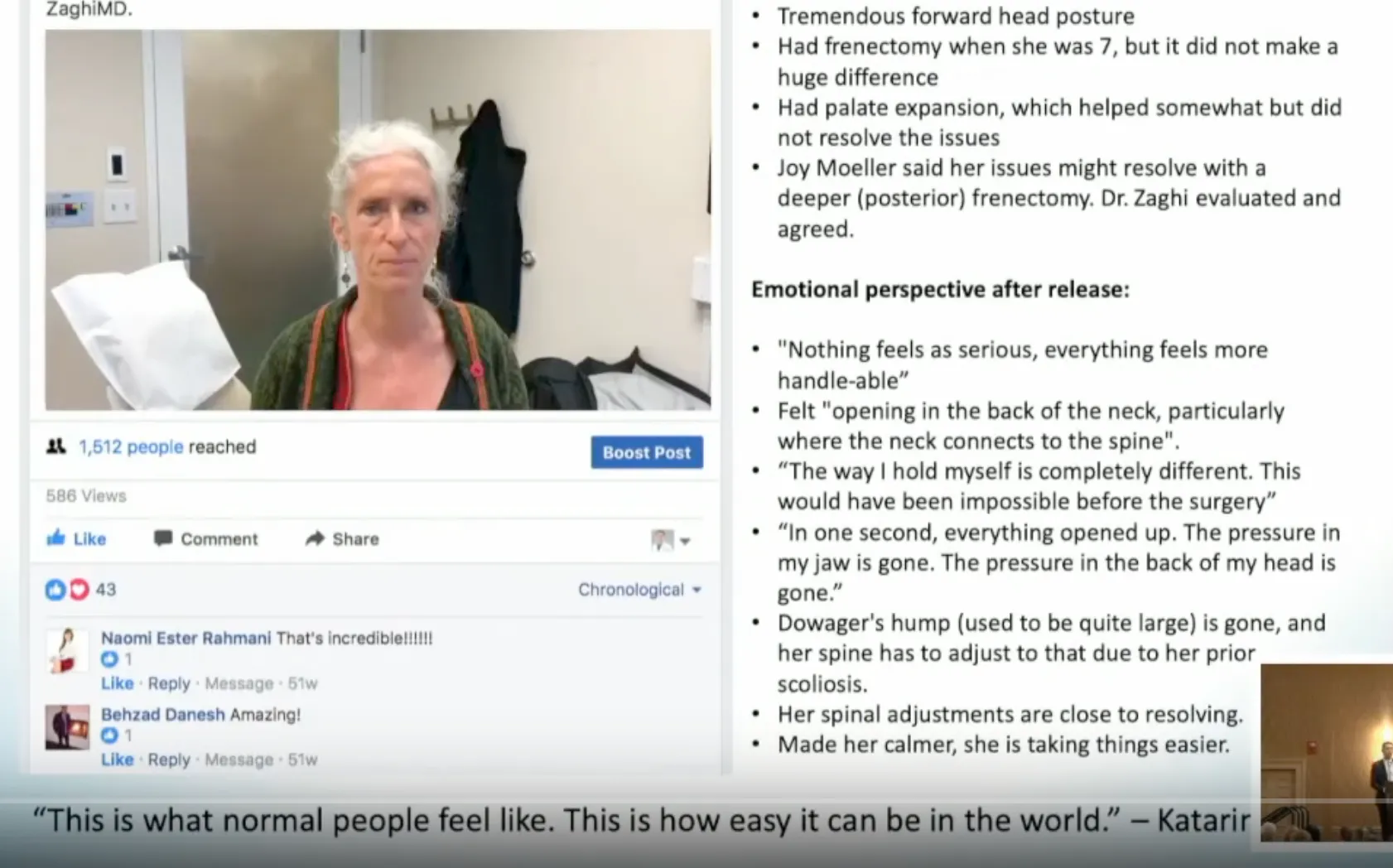
Somatic therapist above comments on improvements after THIRD layer incised by somatic therapist above in a different video clip including posture and dowagers hump!
https://youtu.be/BM3TmSXhUIw?t=4127

There is a few seconds of a moving "fascia man" prior to the clip. It is about 20 seconds long. It is followed by 3 different (short 20s) testimonials all expressing marked improvement in different areas, almost as soon as the final layer is clipped or incised.
From the same video
Frenums, Fascia and Physiology by Dr. Soroush Zaghi & Sanda Valcu-Pinkerton, COM - at AAPMD 201
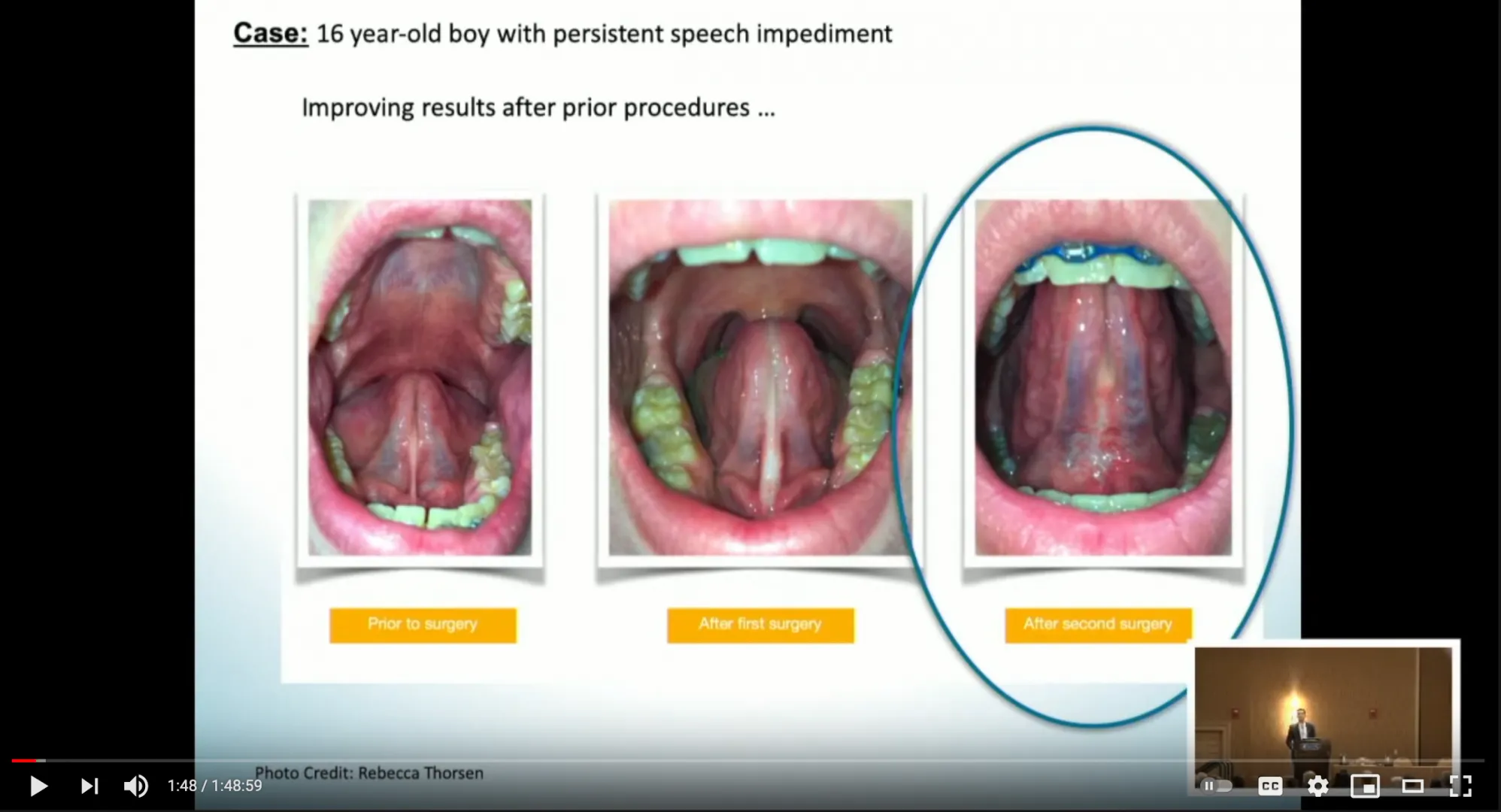
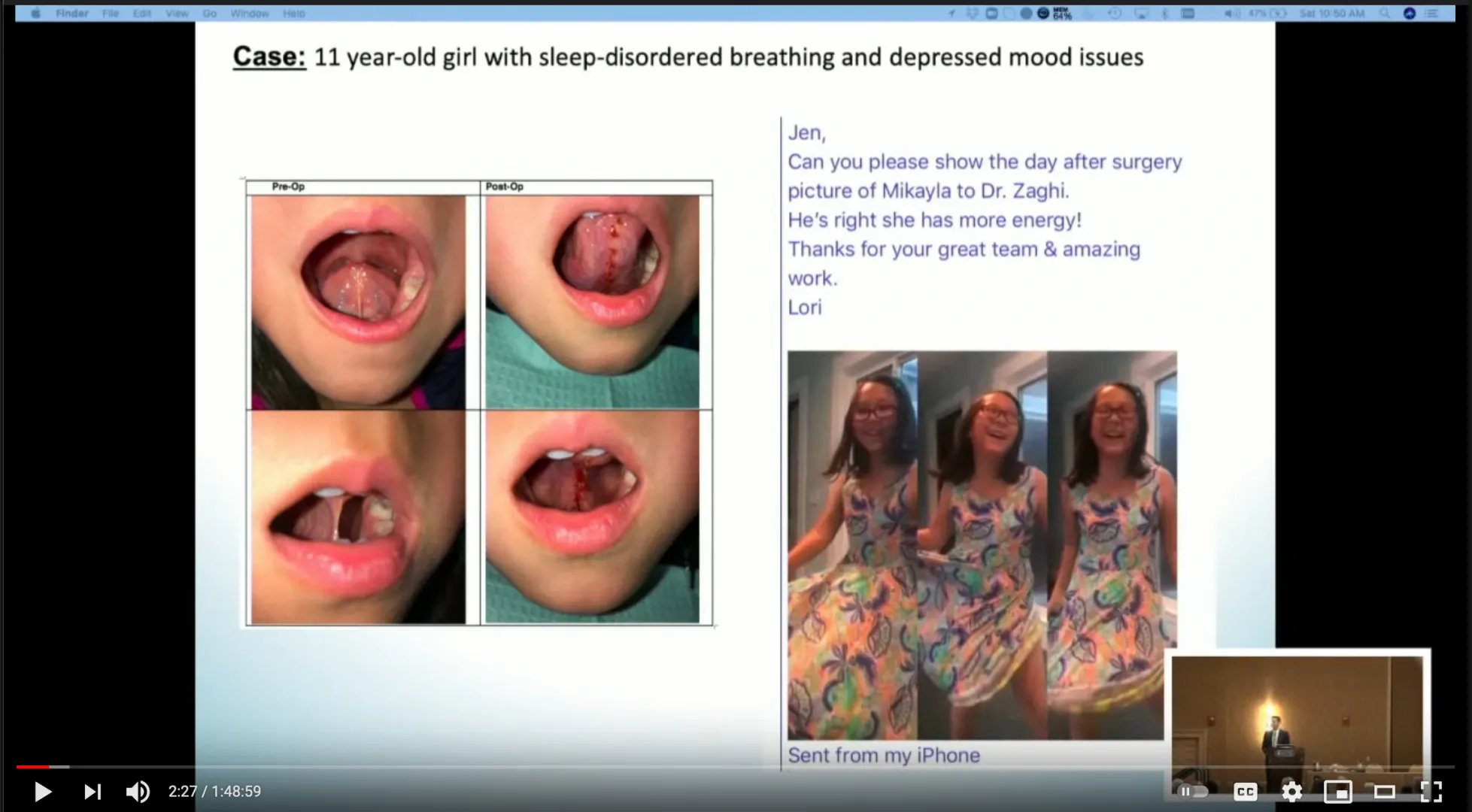
------
He has a course doctors can take but it around 2,000 USD
The other option would be collect the information on his site and present to a good ENT or Maxillofacial Surgeon
Here is an informative response by Dr Zaghi from an interview in 2019
https://dental.thedawsonacademy.com/tongue-ties-restricted-fascia-and-mouth-breathing
------
This is an important (free) paper in the field
https://pubmed.ncbi.nlm.nih.gov/30701608/
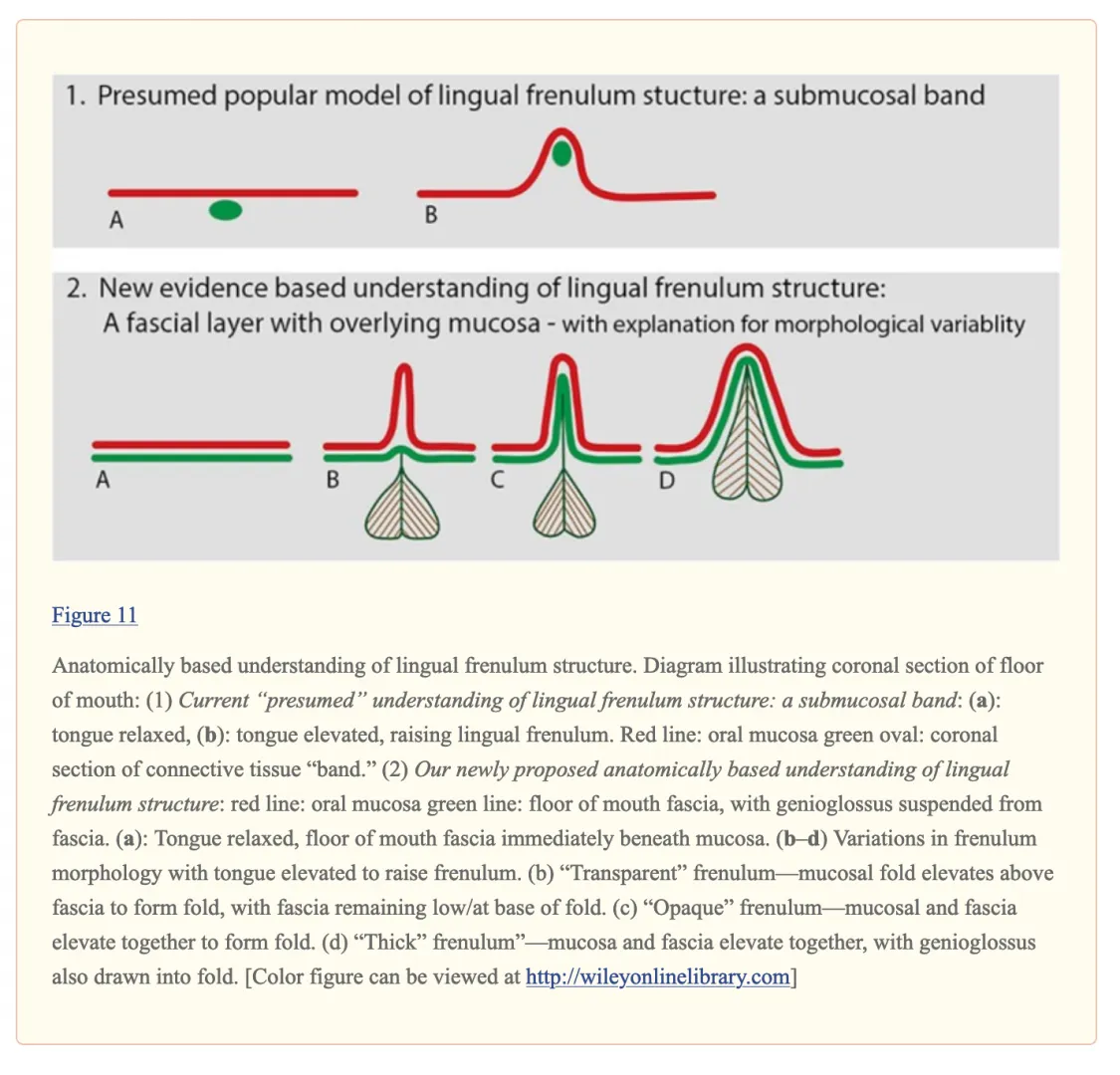
This figure is instructive and would be useful to show your treating clinician
Unlike Dr Zaghi they comment:
The floor of mouth fascia is continuous with the superficial layer of connective tissue on the ventral tongue, with no deep extensions into genioglossus and no fibers extending directly into the median septum of the tongue (Figs. (Figs.10,10, ,11,11, ,12).12). Further, we found no evidence of tongue restriction caused by deep connective tissue or genioglossus, therefore there is no anatomical indication during frenotomy for deep incisions into muscle. Deeper incisions would lead to increased pain and local inflammation and increased risk of significant scarring.
Evidently clinical experience is at a high volume centre is at odds with this anatomical study in cadavers which cannot engage in dynamic testing of tongue position and symptoms.
Also see:
https://www.youtube.com/watch?v=w3SPxFR7wcA
----
Try this? Advise this after watching previous video for some context
Get your first finger and thumb and pinch at the base of your tongue and start massaging and work backwards as deeply as you can.
You may find areas of tension or tightness which respond to digital massage. Also try moving your tongue while applying pressure.
If you get temporary improvement in symptoms it may suggest that you have a tongue tie issue
Hope this helps!
If it is helpful please like!
I welcome all comments and will do my best to answer them.
If you send it to other people post their thoughts especially what healthcare professionals think, this would add validity to the posted information.
P.S. I used to be a 6th year (final) medical student till my health made be pull out.

Are there any tests or symptoms one can do or observe for a suspected tongue tie?
Thank you

Excellent post, and a great resource. I've post it around and also look at exploring further in an article.
Great thanks for the endorsement TGW.
I really hope it is of help to others :)