

Its almost impossible for me to put my whole tongue on the Roof of my mouth because it blocks my whole airway, i can only put a bit more than the tip of my tongue on the Roof of my mouth.

No the tip is rather irrelevant . The posterior third is more important as it basically is there to rotate the maxilla counterclockwise.

the whole tongue should be just keep pushing it up there to where its uncomfortable but u can breathe

Well the tip is not irrelevant, it not only helps anchor the tongue in place, but stimulates important nerve endings located at the spot between the rugae and the incisors:
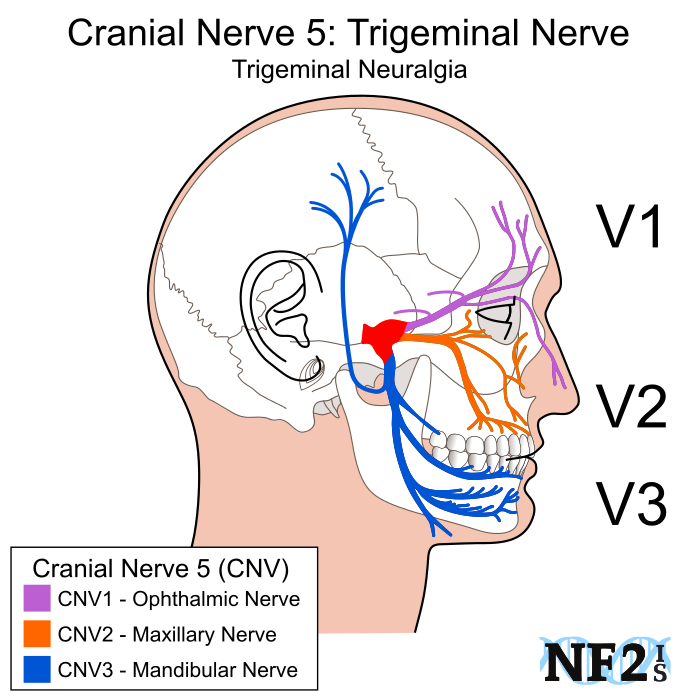
The “Spot” is special- it is the place on the roof of the mouth when the trigeminal nerve ends. When the spot it touched, it turns on other parts of your brain! According to the lecture given by Antonio Ferrante MD, DDS, a lecturer at the AAMT Congress, stimulating the spot turns on the in the brain and neuroreceptors improves brain function! This promotes overall correct body posture, muscle movement, and neurotransmitter production such as dopamine, serotonin, acetylcholine and norepinephrine.
Touching this spot has been shown to have a protective effect against breast cancer, and also stimulates melatonin and prolactin development. Melatonin controls all the circadian rhythms- it’s a timekeeper for the body structures and immune endocrine systems. It improves sleep and cognitive function. All from placing the tongue in its proper spot! Dr Ferrante discussed getting an autistic child to speak by placing Nutella on “the spot” 12 times per day- the child rubbed it off with his tongue and started speaking. I have searched for this paper but since my Italian ability is nonexistent, I was not able to cite his paper here. As soon as the AAMS Congress publishes their papers from the conference I will cite the source of his lecture research. He did show a video of a gentleman with Parkinson’s disease walking on a ramp both without his tongue on the spot and then again with the tongue in the proper place on his spot. The transition was nothing short of a miracle!
http://queenofdentalhygiene.net/2015/09/the-mighty-tongue/
I have lately noticed that if I rest the tip against the spot at a certain angle, the rest of the tongue & body posture falls in place very conveniently. With downswung maxilla you may have to keep your head in a bit higher angle (upward) than you are used to. Simply keeping the tip resting at the spot with no additional conscious effort generates this stimulating feeling all over my face that I rarely managed to achieve during previous two years of mewing with the posterior tongue as the main focus.
To be clear: posterior tongue is still very important too.
Well the tip is not irrelevant, it not only helps anchor the tongue in place, but stimulates important nerve endings located at the spot between the rugae and the incisors:
The “Spot” is special- it is the place on the roof of the mouth when the trigeminal nerve ends. When the spot it touched, it turns on other parts of your brain! According to the lecture given by Antonio Ferrante MD, DDS, a lecturer at the AAMT Congress, stimulating the spot turns on the in the brain and neuroreceptors improves brain function! This promotes overall correct body posture, muscle movement, and neurotransmitter production such as dopamine, serotonin, acetylcholine and norepinephrine.
Touching this spot has been shown to have a protective effect against breast cancer, and also stimulates melatonin and prolactin development. Melatonin controls all the circadian rhythms- it’s a timekeeper for the body structures and immune endocrine systems. It improves sleep and cognitive function. All from placing the tongue in its proper spot! Dr Ferrante discussed getting an autistic child to speak by placing Nutella on “the spot” 12 times per day- the child rubbed it off with his tongue and started speaking. I have searched for this paper but since my Italian ability is nonexistent, I was not able to cite his paper here. As soon as the AAMS Congress publishes their papers from the conference I will cite the source of his lecture research. He did show a video of a gentleman with Parkinson’s disease walking on a ramp both without his tongue on the spot and then again with the tongue in the proper place on his spot. The transition was nothing short of a miracle!
http://queenofdentalhygiene.net/2015/09/the-mighty-tongue/
I have lately noticed that if I rest the tip against the spot at a certain angle, the rest of the tongue & body posture falls in place very conveniently. With downswung maxilla you may have to keep your head in a bit higher angle (upward) than you are used to. Simply keeping the tip resting at the spot with no additional conscious effort generates this stimulating feeling all over my face that I rarely managed to achieve during previous two years of mewing with the posterior tongue as the main focus.
To be clear: posterior tongue is still very important too.
To be fair your source doesn't list the incisive papilla as the spot but rather the area behind the rugae. To date I am still confused about where the spot actually is.
Well the tip is not irrelevant, it not only helps anchor the tongue in place, but stimulates important nerve endings located at the spot between the rugae and the incisors:
The “Spot” is special- it is the place on the roof of the mouth when the trigeminal nerve ends. When the spot it touched, it turns on other parts of your brain! According to the lecture given by Antonio Ferrante MD, DDS, a lecturer at the AAMT Congress, stimulating the spot turns on the in the brain and neuroreceptors improves brain function! This promotes overall correct body posture, muscle movement, and neurotransmitter production such as dopamine, serotonin, acetylcholine and norepinephrine.
Touching this spot has been shown to have a protective effect against breast cancer, and also stimulates melatonin and prolactin development. Melatonin controls all the circadian rhythms- it’s a timekeeper for the body structures and immune endocrine systems. It improves sleep and cognitive function. All from placing the tongue in its proper spot! Dr Ferrante discussed getting an autistic child to speak by placing Nutella on “the spot” 12 times per day- the child rubbed it off with his tongue and started speaking. I have searched for this paper but since my Italian ability is nonexistent, I was not able to cite his paper here. As soon as the AAMS Congress publishes their papers from the conference I will cite the source of his lecture research. He did show a video of a gentleman with Parkinson’s disease walking on a ramp both without his tongue on the spot and then again with the tongue in the proper place on his spot. The transition was nothing short of a miracle!
http://queenofdentalhygiene.net/2015/09/the-mighty-tongue/
I have lately noticed that if I rest the tip against the spot at a certain angle, the rest of the tongue & body posture falls in place very conveniently. With downswung maxilla you may have to keep your head in a bit higher angle (upward) than you are used to. Simply keeping the tip resting at the spot with no additional conscious effort generates this stimulating feeling all over my face that I rarely managed to achieve during previous two years of mewing with the posterior tongue as the main focus.
To be clear: posterior tongue is still very important too.
To be fair your source doesn't list the incisive papilla as the spot but rather the area behind the rugae. To date I am still confused about where the spot actually is.
Are you referring to this sentence: "That Spot is behind your front teeth and further behind the bumps we call rugae."?
I interpreted it as two separate spots, 1) the incisive papilla and 2) the curve of palate behind the rugae.
Elsewhere in the article it is stated "it is the place on the roof of the mouth when the trigeminal nerve ends", which to my understanding refers to the end of the maxillary branch of the trigeminal nerve,
which is also labeled as nasopalatine nerve in this picture from the article (the lower pic):

The blue cross for "the spot" seems to be put halfway between the two separate spots mentioned earlier. I have to agree, it's confusing.

I m Italian, can you link Ferrante's paper? I can translate it
Well the tip is not irrelevant, it not only helps anchor the tongue in place, but stimulates important nerve endings located at the spot between the rugae and the incisors:
The “Spot” is special- it is the place on the roof of the mouth when the trigeminal nerve ends. When the spot it touched, it turns on other parts of your brain! According to the lecture given by Antonio Ferrante MD, DDS, a lecturer at the AAMT Congress, stimulating the spot turns on the in the brain and neuroreceptors improves brain function! This promotes overall correct body posture, muscle movement, and neurotransmitter production such as dopamine, serotonin, acetylcholine and norepinephrine.
Touching this spot has been shown to have a protective effect against breast cancer, and also stimulates melatonin and prolactin development. Melatonin controls all the circadian rhythms- it’s a timekeeper for the body structures and immune endocrine systems. It improves sleep and cognitive function. All from placing the tongue in its proper spot! Dr Ferrante discussed getting an autistic child to speak by placing Nutella on “the spot” 12 times per day- the child rubbed it off with his tongue and started speaking. I have searched for this paper but since my Italian ability is nonexistent, I was not able to cite his paper here. As soon as the AAMS Congress publishes their papers from the conference I will cite the source of his lecture research. He did show a video of a gentleman with Parkinson’s disease walking on a ramp both without his tongue on the spot and then again with the tongue in the proper place on his spot. The transition was nothing short of a miracle!
http://queenofdentalhygiene.net/2015/09/the-mighty-tongue/
I have lately noticed that if I rest the tip against the spot at a certain angle, the rest of the tongue & body posture falls in place very conveniently. With downswung maxilla you may have to keep your head in a bit higher angle (upward) than you are used to. Simply keeping the tip resting at the spot with no additional conscious effort generates this stimulating feeling all over my face that I rarely managed to achieve during previous two years of mewing with the posterior tongue as the main focus.
To be clear: posterior tongue is still very important too.
To be fair your source doesn't list the incisive papilla as the spot but rather the area behind the rugae. To date I am still confused about where the spot actually is.
Are you referring to this sentence: "That Spot is behind your front teeth and further behind the bumps we call rugae."?
I interpreted it as two separate spots, 1) the incisive papilla and 2) the curve of palate behind the rugae.
Elsewhere in the article it is stated "it is the place on the roof of the mouth when the trigeminal nerve ends", which to my understanding refers to the end of the maxillary branch of the trigeminal nerve,
which is also labeled as nasopalatine nerve in this picture from the article (the lower pic):
The blue cross for "the spot" seems to be put halfway between the two separate spots mentioned earlier. I have to agree, it's confusing.
Which is why I still go for the incisive papilla . To me if I can get remodeling around the alveolar ridge maybe my incisors and canines can be inclined labially
Yeah, obviously the theoretical position of "the spot" is not that significant. My original point was that the tip does plays an important role in tongue posture and overall health.